| ID | 69138 |
| フルテキストURL | |
| 著者 |
Tamura, Shiori
School of Life Science and Technology, Institute of Science Tokyo
Pasang, Clarissa Ellice Talitha
School of Life Science and Technology, Tokyo Institute of Technology
Tsuda, Minami
School of Life Science and Technology, Tokyo Institute of Technology
Ma, Shilan
School of Life Science and Technology, Institute of Science Tokyo
Shindo, Hiromasa
School of Life Science and Technology, Tokyo Institute of Technology
Nagaoka, Noriyuki
Okayama University Graduate School of Medicine, Dentistry and Pharmaceutical Sciences
Ohkubo, Tomoki
Biology-Chemistry Unit, Technology Research Laboratory, Shimadzu Corporation
Fujiyama, Yoichi
Biology-Chemistry Unit, Technology Research Laboratory, Shimadzu Corporation
Tamai, Miho
School of Life Science and Technology, Tokyo Institute of Technology
Tagawa, Yoh-ichi
School of Life Science and Technology, Institute of Science Tokyo
|
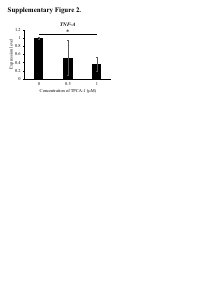
| 抄録 | Inflammatory bowel disease (IBD) involves gastrointestinal inflammation, due to intestinal epithelial barrier destruction caused by excessive immune activation. Conventional cell culture systems do not provide a model system that can recapitulate the complex interactions between epithelial cells, immune cells, and intestinal bacteria. To address this, we developed a microfluidic device that mimics the inflammatory response associated with microbial invasion of the intestinal mucosa. The device consisted of two media channels, an upper and a lower channel, and a porous membrane between these channels on which C2BBe1 intestinal epithelial cells were seeded to form a tight junction layer. Each electrode was placed in contact with both channels to continuously monitor the tight junction state. Fresh medium flow allowed bacterial numbers to be controlled and bacterial toxins to be removed, allowing co-culture of mammalian cells and bacteria. In addition, RAW264 macrophage cells were attached to the bottom of the lower channel. By introducing E. coli into the lower channel, the RAW264 cells were activated and produced TNF-α, successfully recapitulating a culture model of inflammation in which the C2BBe1cell tight junction layer was destroyed. The main structure of the device was initially made of polydimethylsiloxane to facilitate its widespread use, but with a view to introducing anaerobic bacteria in the future, a similar phenomenon was successfully reproduced using polystyrene. When TPCA-1, an IκB kinase 2 inhibitor was added into this IBD culture model, the tight junction destruction was significantly suppressed. The results suggest that this IBD culture model also is useful as a screening system for anti-IBD drugs.
|
| キーワード | Intestine chip
Inflammatory bowel disease
Co-culture
Tri-culture
Fluidic device
Disease model
Macrophage
Inflammation
|
| 発行日 | 2025-06
|
| 出版物タイトル |
European Journal of Cell Biology
|
| 巻 | 104巻
|
| 号 | 2号
|
| 出版者 | Elsevier BV
|
| 開始ページ | 151495
|
| ISSN | 0171-9335
|
| NCID | AA00181272
|
| 資料タイプ |
学術雑誌論文
|
| 言語 |
英語
|
| OAI-PMH Set |
岡山大学
|
| 著作権者 | © 2025 The Authors.
|
| 論文のバージョン | publisher
|
| PubMed ID | |
| DOI | |
| Web of Science KeyUT | |
| 関連URL | isVersionOf https://doi.org/10.1016/j.ejcb.2025.151495
|
| ライセンス | http://creativecommons.org/licenses/by/4.0/
|
| 助成情報 |
18K19905:
流体デバイスにより腸内細菌の維持・増殖を制御した腸管上皮細胞培養系の開発
( 独立行政法人日本学術振興会 / Japan Society for the Promotion of Science )
JPMJSP2106:
( 国立研究開発法人科学技術振興機構 / Japan Science and Technology Agency )
JPMJSP2180:
( 国立研究開発法人科学技術振興機構 / Japan Science and Technology Agency )
|